What Is a Metato?
The small stone buildings hidden among the chestnut woods.
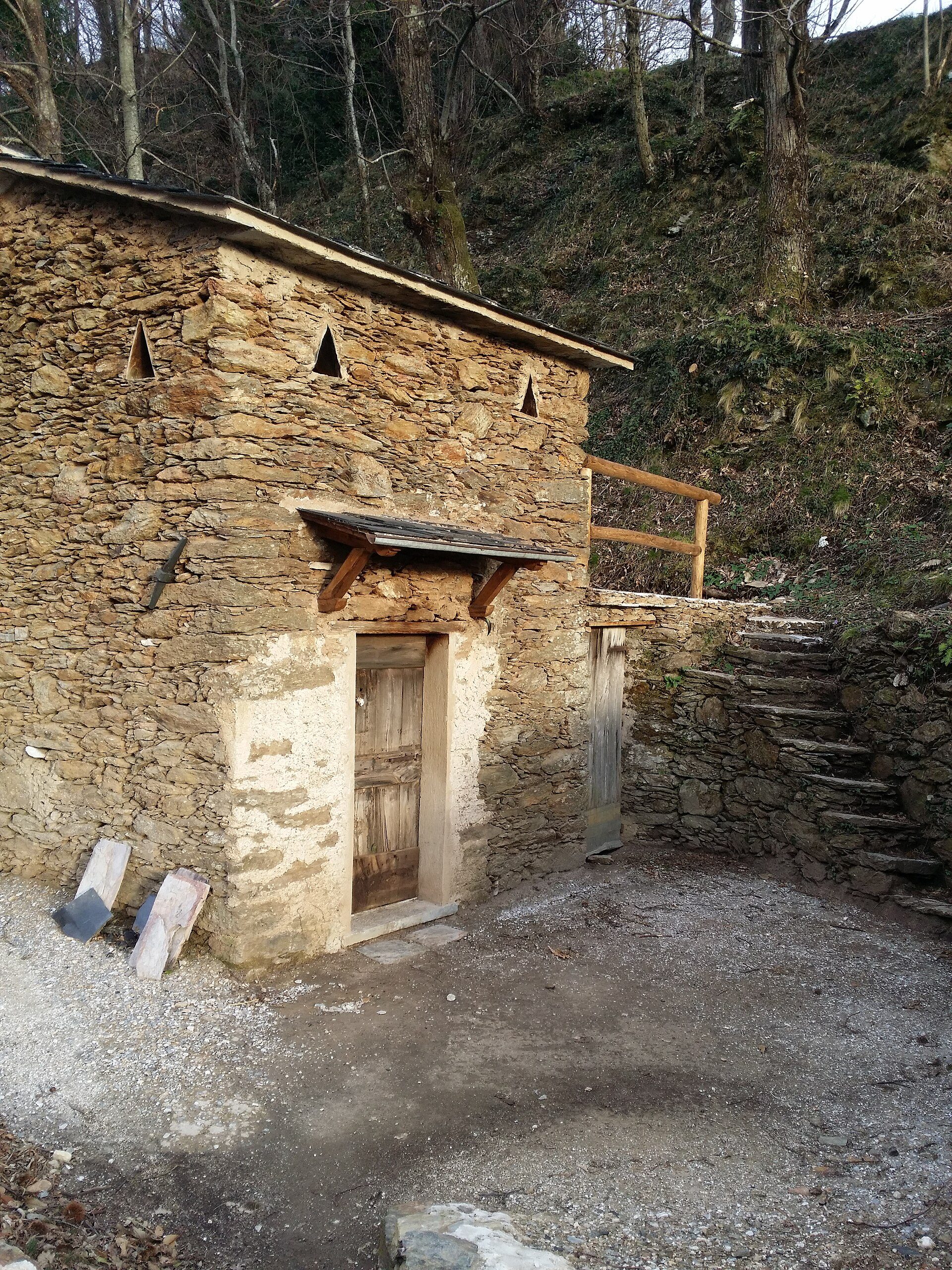
A metato near Retignano. Photo: Lorenzo Vannoni, CC BY-SA 4.0 (Wikimedia Commons)
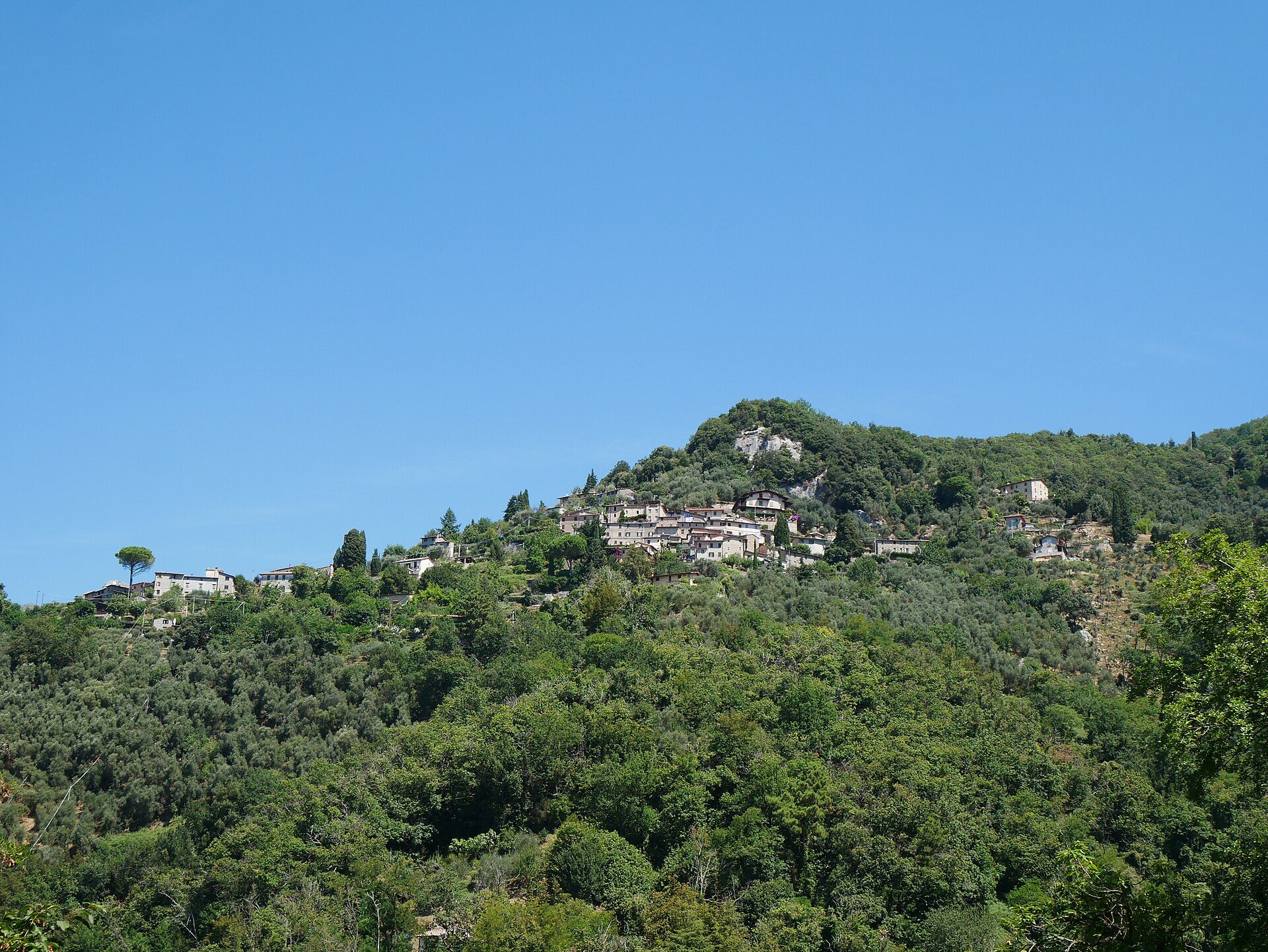
Drive through the hills above Camaiore and you may notice very small stone buildings among the chestnut trees.
They are easy to overlook.
These are metati: traditional structures once used as part of the chestnut-drying process.
Chestnuts and the hills
Chestnut trees were historically an important part of life in many mountain communities in northern Tuscany.
The metato was built for a practical purpose.
A fire would burn slowly on the lower level while chestnuts were placed above to dry over time.
Their architecture reflects that function: compact, simple and built from the materials available around them.
Why we notice them
Perhaps because we spend so much time looking at old buildings, we find metati difficult to pass without wondering what they could become.
Their scale is part of the attraction.
Not a villa. Not a large estate.
Just a small stone structure sitting naturally in the landscape.
Many should simply remain exactly what they are.
Others, where planning rules and the condition of the building allow it, may have the potential for another chapter.
Part of the landscape
For us, that is the important part.
A metato makes sense because of where it is: chestnut woods, stone walls, steep roads, small villages and the coast somewhere below.
They are reminders that the architecture of Versilia does not begin and end with the villas by the sea.
Sometimes the smallest buildings tell you more about a place than the grandest ones.